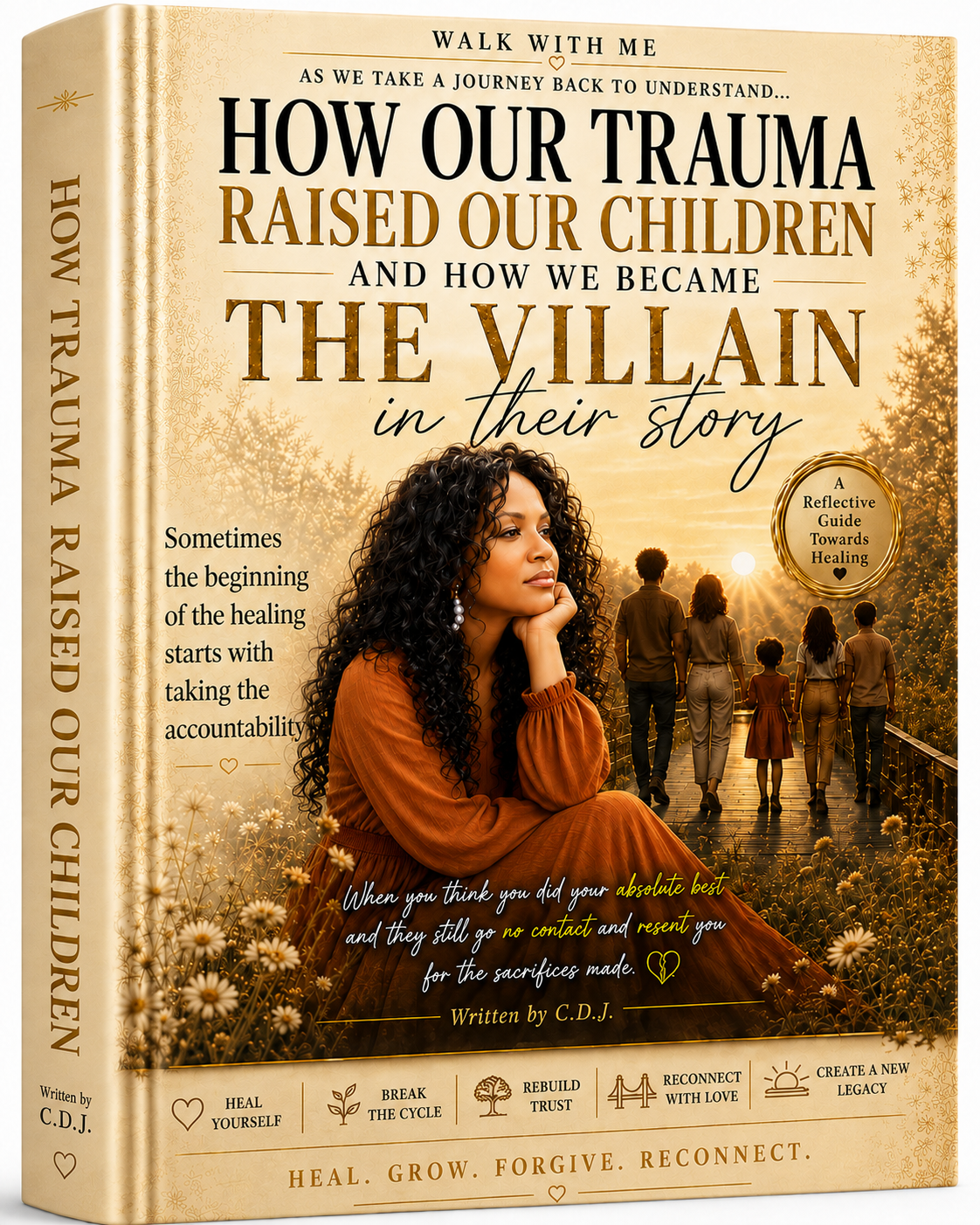
How Trauma Raised Our Children
What if you loved your children with everything you had — and everything you had was still wounded?
Book Two turns the mirror around. It asks the question every parent who survived something dreads: what if I did the best I knew how to do, and some of my best still hurt the people I loved?
This is a clear-eyed look at how unresolved trauma quietly becomes inherited pattern — how providing can stand in for presence, how protection can curdle into control, how a nervous system built for survival doesn't know how to just be safe, even once it finally is.
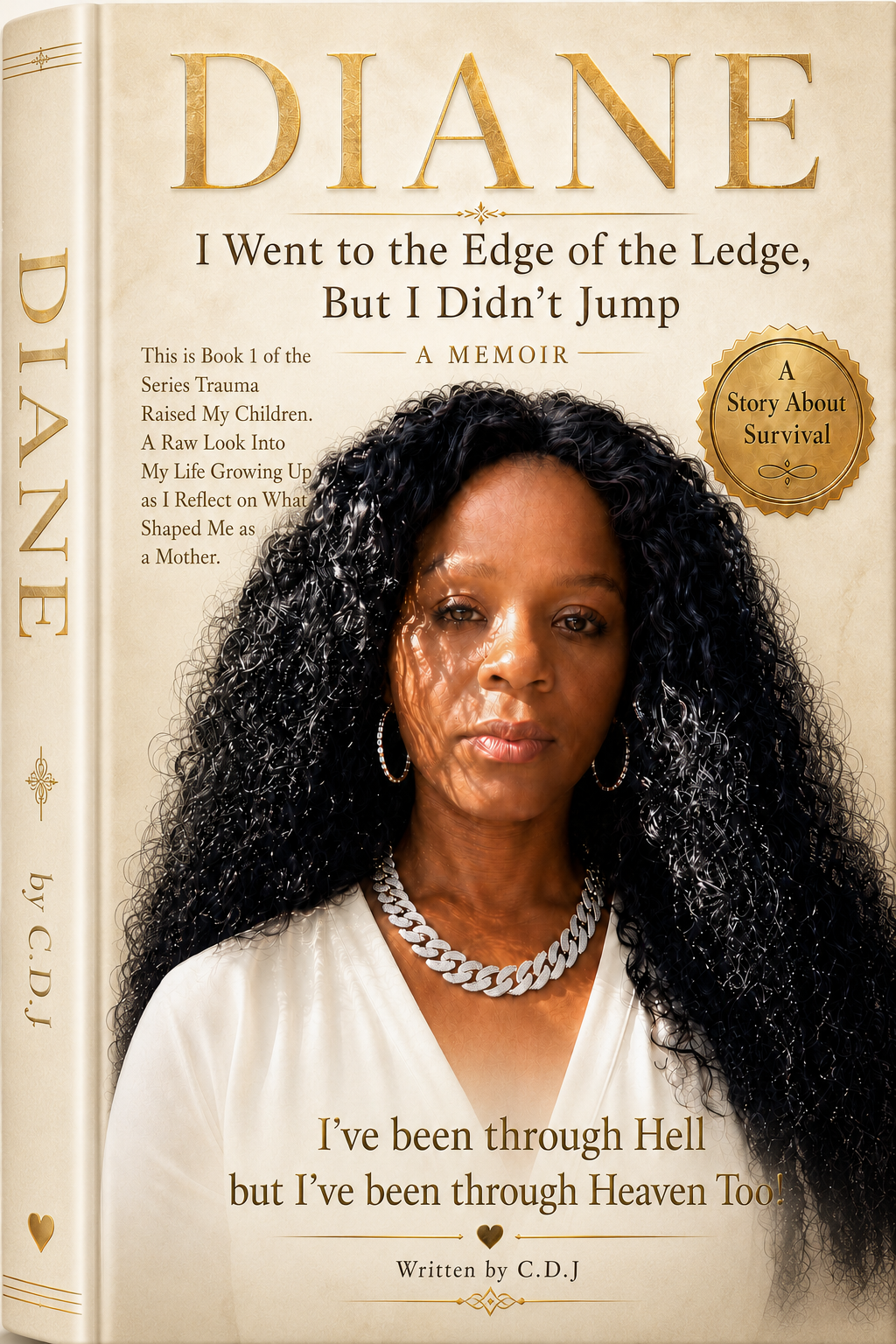
It does not ask the reader to choose between the pain of the child and the pain of the mother. It asks the reader to sit with both, and to start separating what belonged to Diane from what didn't — a distinction that took her decades to see clearly.